Bishnoi Village Safari Jodhpur
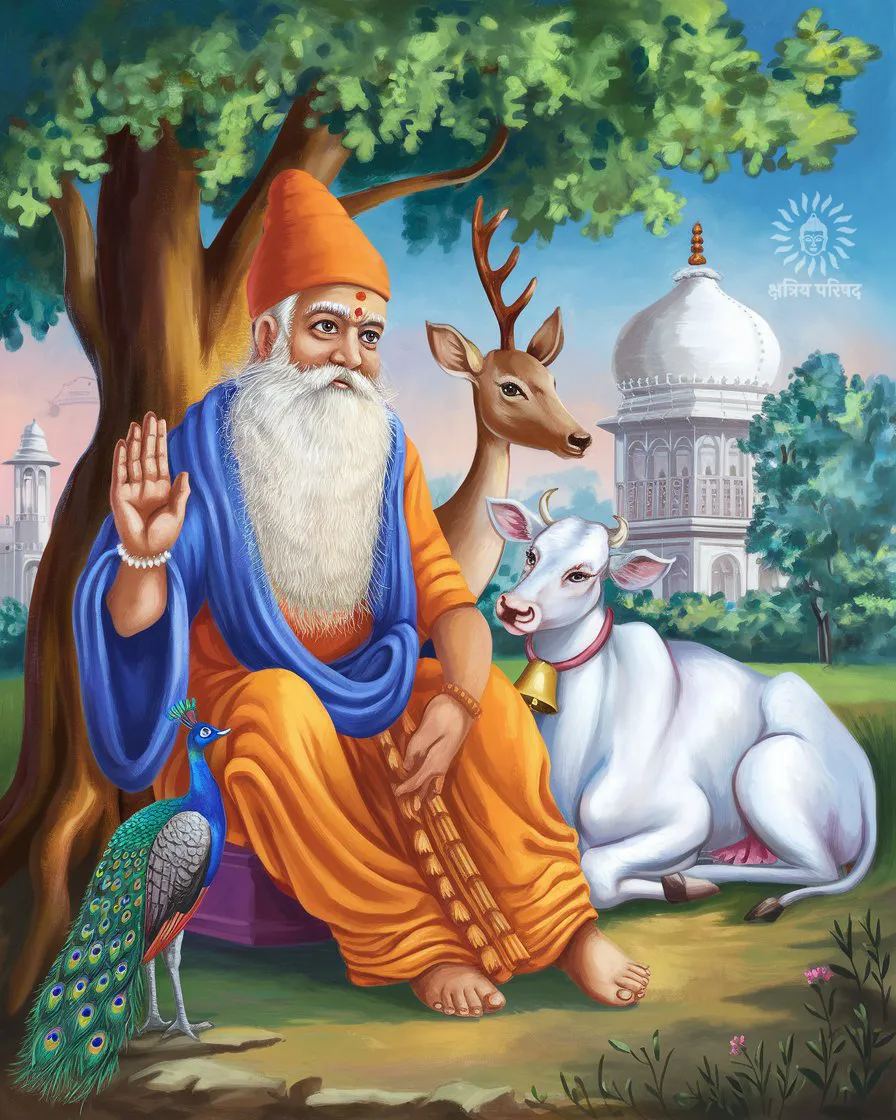
Guru Jambheshwar Ji (Guru Jambho Ji)
Born in 1451 AD in Pipasar, Nagaur, Guru Jambheshwar Ji was a revolutionary saint, philosopher, and environmentalist. Over 500 years ago, he established the 29 sacred vows (*29 Niyam*) that turned desert dwellers into the world's most devout eco-protectors and animal guardians.
Guru Jambho Ji Overview
Divine Legacy- Birth: Bhadrapad Krishna Ashtami, 1451 AD (Pipasar)
- Founding Site: Samrathal Dhora (1485 AD)
- Core Doctrine: 29 Sacred Vows (*29 Niyam*)
- Holy Scripture: Shabad Vani (120 Divine Hymns)
Early Life, Divine Silence & Spiritual Awakening
Guru Jambheshwar Ji was born in 1451 AD (1508 Vikram Samvat) into a respected Panwar Rajput family in Pipasar village (Nagaur district, Rajasthan). His father was Lohat Ji Panwar and his mother was Hansa Devi.
During his first 7 years, young Jambho Ji remained mostly silent, speaking very little and spending long hours grazing cows in desert pastures. He demonstrated deep compassion toward all animals and extraordinary wisdom far beyond his years.

The Great Thar Drought & Founding At Samrathal Dhora (1485 AD)
In the late 15th century, the Marwar region suffered a catastrophic 10-year severe drought. Starving villagers chopped down green Khejri trees for fodder and hunted wild deer for meat, causing total environmental degradation.
Realizing that human survival was impossible without nature conservation, Guru Jambheshwar Ji climbed the high sand dune of Samrathal Dhora in 1485 AD. He distributed grain, helped villagers rebuild, and formulated 29 sacred vows (*29 Niyam*).
Categorized Breakdown Of The 29 Sacred Vows
Guru Jambheshwar Ji's 29 rules are a masterclass in sustainable living, personal health, hygiene, and spiritual devotion:
Ecological Protection
Mandatory vows protecting green trees, wild animals, and desert flora.
- Do not cut green living trees (especially Khejri).
- Protect all wild animals (Blackbucks, Chinkaras, Birds).
- Provide water troughs (*Khels*) and grain for animals.
Dietary Purity
Rules ensuring physical wellness, non-violence, and personal sobriety.
- Strict 100% vegetarianism (zero meat, eggs, or fish).
- Total prohibition of alcohol, tobacco, and opium.
- Filter drinking water and milk to protect micro-insects.
Daily Sanitation
Hygiene standards maintained across village homes and kitchens.
- Mandatory early morning bath before cooking or prayer.
- Maintain strict hygiene around cooking hearths (*chulhas*).
- Practice internal mental purity and cleanliness.
Moral Discipline
Spiritual practices fostering truthfulness, humility, and faith.
- Perform daily morning prayer and *Havan* rituals.
- Speak the truth with gentleness; avoid backbiting or theft.
- Practice forgiveness, contentment, and charity.
Teachings Of Shabad Vani (120 Sabads)
Guru Jambheshwar Ji composed 120 divine poetic hymns known as **Shabad Vani** (or *Jambhesani Vani*). His verses offer timeless wisdom on nature protection, inner truth, and devotion to God.
1. Unity Of Creation & Nature
Guru Jambho Ji taught that God resides in every living tree, wild animal, and drop of water. Harming nature is equivalent to disobeying the Divine Creator.
2. Universal Non-Violence (Ahimsa)
He preached non-violence toward all sentient beings. His followers were commanded to feed hungry deer, shelter abandoned fawns, and protect wild birds during desert dry spells.
3. Truthfulness & Social Purity
Guru Ji condemned social superstitions, caste discrimination, and dishonesty. He emphasized simple living, hard work, and sharing food with guests and travelers.
Sacred Pilgrimage Sites Associated With Guru Jambho Ji
Bishnois across Rajasthan and India visit these holy pilgrimage centers (*Dhams*) to pay homage to Guru Jambheshwar Ji:
Mukam Dham (Nokha, Bikaner)
The supreme pilgrimage site where Guru Jambheshwar Ji attained *Nirvana* in 1536 AD. A grand white marble temple stands over his sacred *Samadhi*, hosting major annual fairs on *Asoj* and *Phalgun Amavasya*.
Samrathal Dhora (Bikaner)
The holy sand dune where Guru Jambho Ji delivered his first sermon in 1485 AD and established the 29 vows. Pilgrims perform *Havan* rituals and offer sacred ash (*Bhabhoot*).
Pipasar Dham (Nagaur)
The sacred birthplace of Guru Jambheshwar Ji. Visitors can view the holy well (*Panch Kuan*) and historic relics preserved inside the ancient village temple.
Janglu, Rotu & Lamba Dhams
Historic retreat locations where Guru Ji spent years in deep meditation, created water tanks for cattle, and inspired thousands of desert villagers.
Experience Guru Ji's Teachings On A Bishnoi Village Safari
When you take an open 4x4 Jeep safari through Guda Bishnoiyan, Kakani, and Salawas villages with native host Bhagirath Bishnoi, you see Guru Jambheshwar Ji's 500-year-old philosophy alive in daily practice.
You will witness free-roaming Blackbucks grazing near host mud homes (*Jhopdas*), view local water troughs filled daily for birds, and enjoy warm vegetarian Marwari hospitality.
Frequently Asked Questions About Guru Jambheshwar Ji
Have specific questions regarding Guru Jambho Ji, the 29 vows, or Bishnoi temples? Here are direct answers from native host Bhagirath Bishnoi.
Guru Jambheshwar Ji (famously called Guru Jambho Ji) was born on Bhadrapad Krishna Ashtami in 1451 AD in Pipasar village, Nagaur. He was a visionary saint who founded the Bishnoi community in 1485 AD at Samrathal Dhora.
The word Bishnoi is derived from 'Bees' (20) and 'Nau' (9), referring to the 29 sacred environmental and spiritual principles (*29 Niyam*) established by Guru Jambheshwar Ji.
His core teachings focus on absolute protection of green trees and wild animals, strict vegetarianism, total avoidance of alcohol/tobacco, truthfulness, daily hygiene, and worship of God through his 120 holy hymns (*Shabad Vani*).
The main sacred Samadhi temple is located at Mukam Dham (near Nokha, Bikaner district, Rajasthan). Thousands of devotees gather here twice a year during Amavasya fairs.
By booking a private safari with local host Bhagirath Bishnoi, you visit Guda Bishnoiyan village, see free-roaming Blackbucks coexisting peacefully with villagers, visit artisan homes in Salawas & Kakani, and enjoy organic chulha tea/food prepared according to Bishnoi principles.
Experience Living Eco-Culture On A Bishnoi Village Safari
Book your private open 4x4 Jeep safari directly with native local host Bhagirath Bishnoi. Free doorstep hotel pickup across Jodhpur, free-roaming Blackbuck wildlife spotting, and authentic village hospitality!