Bishnoi Village Safari Jodhpur
The Sacred Heritage Of The Bishnoi Community
Long before modern environmental laws existed, the Bishnois of Marwar pledged their lives to defend green trees and wild animals. Founded in 1485 AD by Guru Jambheshwar Ji, this gentle desert community practices nature worship, absolute vegetarianism, and peaceful living in the heart of the Thar Desert.
Meaning Of Bishnoi
The word Bishnoi is derived from 'Bees' (20) and 'Nau' (9), representing the 29 spiritual and environmental commandments laid down by Guru Jambheshwar Ji in 1485 AD to protect desert ecosystems.
The 29 Principles (29 Niyam) Of Bishnois
Five centuries ago, Guru Jambheshwar Ji recognized that human survival in the dry Thar desert required protecting water, trees, and wildlife. These 29 vows are categorized into four living pillars:
Nature & Wildlife Protection
Strict sacred rules forbidding harm to living green flora and fauna in desert habitats.
- Never fell or cut a green living tree (especially Khejri).
- Protect all wild animals (Blackbucks, Gazelles, Birds).
- Provide daily grain and water troughs (*Khels*) for wildlife.
Pure Diet & Sobriety
Mandatory dietary principles ensuring physical purity, mental discipline, and non-violence.
- Strict 100% vegetarianism (zero meat or eggs).
- Strict prohibition of alcohol, opium, and tobacco.
- Filter drinking water and milk to protect tiny insects.
Daily Personal Hygiene
Sanitation standards maintained rigorously across desert host homes and hearths.
- Mandatory early morning bath before cooking or prayer.
- Maintain pristine hygiene around home and water tanks.
- Practice internal purity of thoughts, speech, and action.
Spiritual Discipline
Daily spiritual practices fostering truthfulness, humility, and community bonding.
- Chant daily prayers at dawn and perform *Havan* rituals.
- Speak the truth with gentleness; avoid backbiting or stealing.
- Practice forgiveness, charity, and contentment.
The World’s First Tree Protection Sacrifice (1730 AD)
In September 1730 AD, soldiers from the Maharaja of Jodhpur marched to Khejarli Village to chop down green Khejri trees for lime kiln fuel.
Led by a brave Bishnoi woman, Amrita Devi Bishnoi, villagers hugged the trees to protect them, uttering the immortal words: "Sar Santey Rookh Rahe To Bhi Sasto Jaan" (If a tree is saved even at the cost of one's head, it is a small price to pay).
Coexistence With Blackbucks & Thar Wildlife
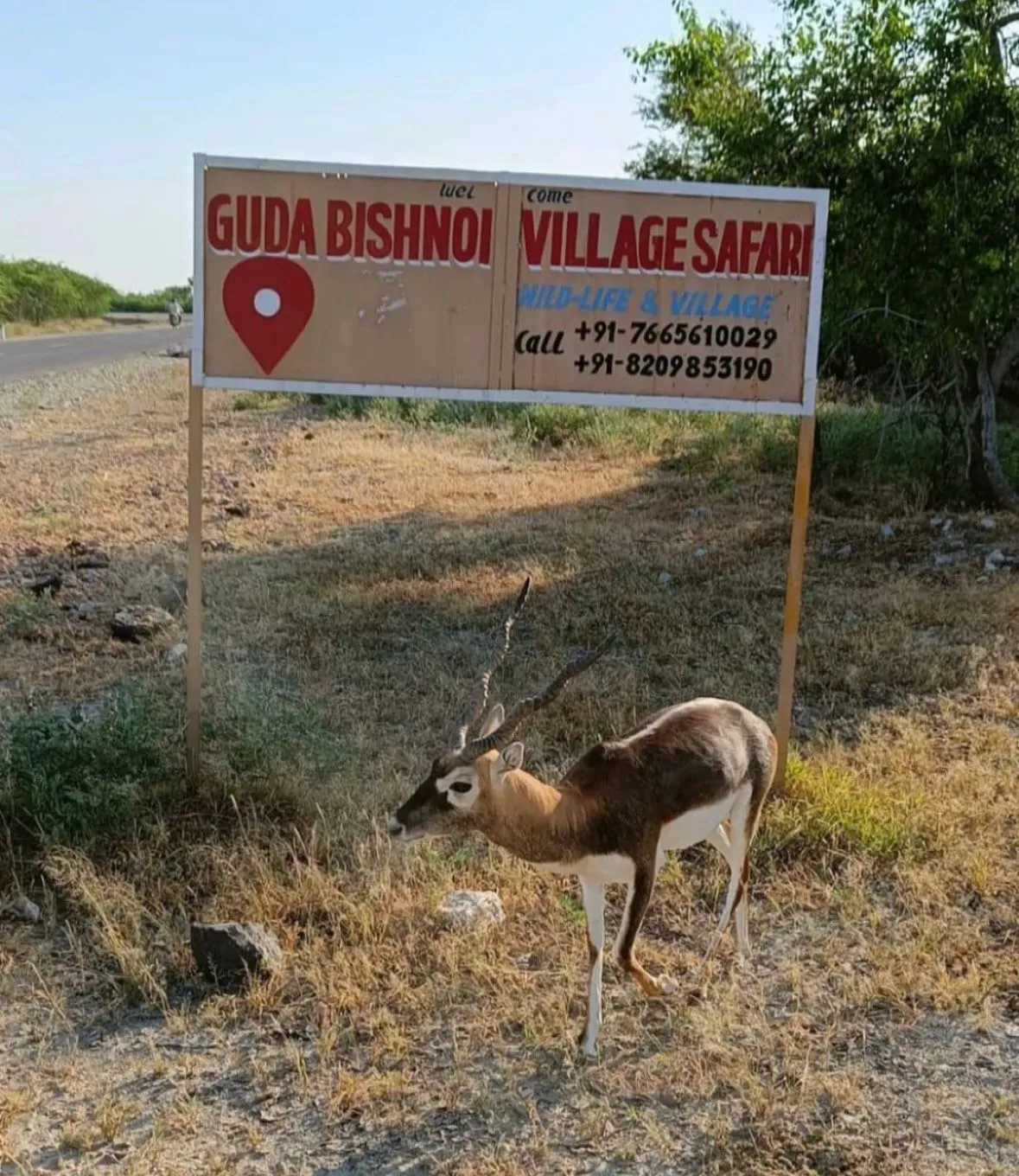
In Bishnoi territory around Guda Lake, wild animals roam freely without cages or high fences. Here is why animals treat Bishnoi villages as safe sanctuaries:
1. Blackbucks treated like Family
Wild Blackbuck antelopes (*Kala Hiran*) and Chinkara gazelles wander fearlessly inside village courtyards. Bishnoi women are famous worldwide for nursing orphaned fawn fawns alongside their own infants!
2. Guda Lake Waterhole Protection
Villagers construct cement water troughs (*Khels*) throughout countryside fields, ensuring wild animals have fresh clean water year-round, even during extreme 42°C Thar summer months.
3. Protection Against Poachers
Bishnois act as fierce guardians against illegal poachers. Any attempt to harm deer in Bishnoi territory is met with instant community action and law enforcement reporting.
Bishnoi Village Life, Architecture & Handloom Crafts
Stepping into a Bishnoi village is like traveling back to a simpler, more harmonious era. Experience these authentic lifestyle elements on your safari:
Eco-Friendly Mud Huts (Jhopdas)
Traditional Bishnoi homes (*Jhopdas*) are circular structures built using local desert clay, cow dung plaster, and thatched roofs made from dry *Khip* wild grass. They stay naturally cool during summer heat and cozy during winter nights!
Pure Organic Chulha Food
Food is cooked over traditional clay hearths (*chulhas*) fueled by dry fallen wood. Meals feature hand-patted Bajra Roti, organic wild desert berry curry (*Ker Sangri*), homemade Desi Ghee, Mathania chili chutney, and fresh buttermilk.
Traditional Attire & Turbans
Bishnoi men wear white cotton *Dhoti-Kurta* topped with vibrant saffron or red turbans (*Safa*). Bishnoi women wear colorful *Ghaghra-Choli* adorned with traditional large gold nose rings (*Nath*).
Handloom Weaving & Terracotta Pottery
At Salawas village, 5th-generation weaver families weave cotton and camel wool Durry rugs on traditional pit looms using natural vegetable dyes. At Kakani, potters shape desert clay on manual spinning wheels.
Why Book Your Safari Directly With Native Host Bhagirath Bishnoi?
When you book your safari directly with born-and-raised village host Bhagirath Bishnoi, 100% of your tour fee goes straight back into supporting local weaver families, potters, and wildlife waterhole maintenance.
You skip city agent commissions, avoid commercial souvenir sales traps, and get guided by local hosts who share personal stories of growing up in this sacred land.
Frequently Asked Questions About Bishnoi Community
Have specific questions regarding Bishnoi religious beliefs, vegetarian customs, or visiting host homes? Here are direct answers from host Bhagirath Bishnoi.
The Bishnoi community was founded in 1485 AD in the Thar Desert by Guru Jambheshwar Ji (famously known as Jambho Ji). He established 29 sacred principles (*29 Niyam*) focused on nature conservation, cleanliness, and vegetarian living.
In 1730 AD, 363 Bishnoi men and women led by Amrita Devi Bishnoi sacrificed their lives by hugging green Khejri trees to prevent royal soldiers from felling them. This inspired India’s global environmental conservation movements.
Yes! 100% of the Bishnoi community practices strict vegetarianism as part of their 29 vows. Meat, alcohol, tobacco, and non-vegetarian products are strictly forbidden inside Bishnoi villages.
Because Bishnois treat wild Blackbucks and gazelles like sacred family members. Since animals face zero fear of hunting or poaching in Bishnoi territory, they wander fearlessly near village mud homes and water troughs.
Yes! When you book a private safari with local host Bhagirath Bishnoi, you are welcomed directly inside local mud homes (*Jhopdas*), meet artisan families, enjoy wood-fired Masala Chai, and experience genuine Marwari hospitality.
Experience Authentic Bishnoi Village Safari With Local Hosts
Book your private open 4x4 Jeep safari directly with native villager Bhagirath Bishnoi. Enjoy doorstep Jodhpur hotel pickup, unfenced Blackbuck wildlife spotting, and hands-on artisan workshops!