Bishnoi Village Safari Jodhpur
The Sacred History Of The Bishnoi Community
Long before global environmental movements existed, the Bishnoi community of Marwar was born out of a severe desert drought in 1485 AD. Guided by Guru Jambheshwar Ji’s 29 ecological rules, Bishnois became the world's most fearless protectors of green trees and wild Blackbucks.
Historical Pillars
500+ Years- 1485 AD: Founded by Guru Jambheshwar Ji
- 29 Sacred Eco-Vows (*29 Niyam*) Laid Down
- 1730 AD: Khejarli Tree Sacrifice (363 Martyrs)
- Original Inspiration For India's Chipko Movement
The Great Thar Drought & Founding in 1485 AD
In the late 15th century, the Marwar region of Rajasthan suffered a devastating 10-year drought. Trees were chopped down for firewood, wild animals were hunted for food, and dry Thar soil eroded severely.
Observing this ecological collapse, Guru Jambheshwar Ji (born in 1451 AD at Pipasar) realized that human survival was impossible without nature conservation. On the sand dune of Samrathal Dhora in 1485 AD, he formulated 29 sacred vows (*29 Niyam*), creating the Bishnoi faith.
Timeline Of Bishnoi Historical Milestones
Trace the 500-year timeline of eco-defense, royal decrees, and martyrdom that made the Bishnoi community legendary worldwide.
Birth of Bishnoi Faith at Samrathal Dhora
Guru Jambheshwar Ji establishes 29 environmental principles. Thousands of desert villagers adopt the vows, banning meat, alcohol, and the felling of green trees.
First Tree Protection Sacrifice (Ramsadi Village)
Two Bishnoi women, Karma and Gora, give their lives in Ramsadi village to protect green Khejri trees, marking the first documented eco-martyrdom in Indian history.
The Historic Khejarli Massacre (363 Martyrs)
Amrita Devi Bishnoi leads 363 villagers in hugging green trees against Jodhpur Royal soldiers. The King halts tree felling and issues a royal copper-plate decree banning hunting across Bishnoi lands.
Inspiration for Chipko & Modern Conservation
The Khejarli sacrifice directly inspires Sunderlal Bahuguna's Chipko Movement in Uttrakhand and modern Wildlife Protection Acts across India.
The Immortal 1730 AD Sacrifice Of Amrita Devi Bishnoi
In September 1730 AD, Maharaja Abhai Singh of Jodhpur required lime for constructing his new palace. Royal soldiers arrived in Khejarli Village to cut down green Khejri (Prosopis cineraria) trees to fuel lime kilns.
Protesting the felling, Amrita Devi Bishnoi wrapped her arms around a green Khejri tree. When offered money to leave, she uttered the famous Marwari words:
Amrita Devi and her three young daughters (Asi, Ratni, and Bhagu) were beheaded by soldiers while clinging to trees. News spread across 84 Bishnoi villages, and 363 martyrs hugged trees until royal soldiers ceased the felling!
History Of Blackbuck Protection In Marwar
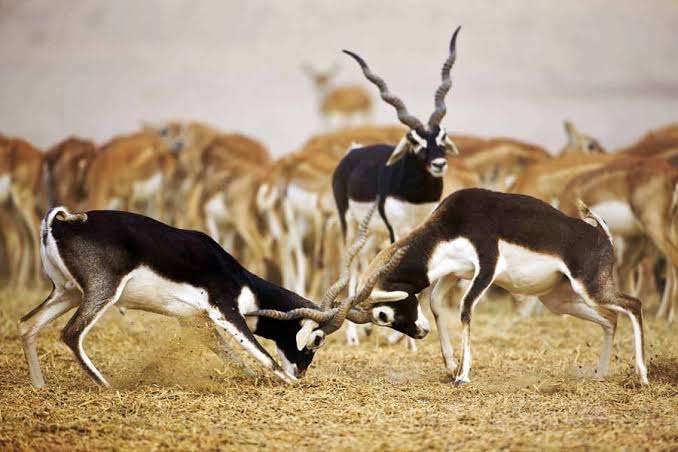
For five centuries, wild Blackbuck deer (*Kala Hiran*) and Chinkara gazelles have treated Bishnoi villages as safe sanctuaries where hunting is impossible.
1. Royal Copper-Plate Decree (1730 AD)
Distruaght by the 363 deaths at Khejarli, Maharaja Abhai Singh issued a royal decree etched on a copper plate, banning hunting, tree felling, and animal harm across all Bishnoi territories forever.
2. Motherly Care For Orphaned Fawns
In Bishnoi history, women are renowned worldwide for nursing motherless Blackbuck fawns with their own breast milk, raising wild fawns inside village homes alongside human children.
3. Modern Legal Guarding (Blackbuck Case)
In 1998, when high-profile celebrities poached Blackbucks in Kankani village during a film shoot, Bishnoi villagers pursued court prosecution for 25+ years, proving their unwavering commitment to wildlife laws.
How To Experience Bishnoi History On Your Safari Tour
When you book a private Bishnoi Village Safari with local host Bhagirath Bishnoi, history comes alive before your eyes:
Visit The Sacred Khejarli Memorial Park
Pay homage at the exact site of the 1730 AD sacrifice. Walk among ancient green *Khejri* trees, view the martyr memorial monument, and hear stories of courage directly from local descendants.
Unfenced Wildlife Spotting at Guda Lake
Experience the historical harmony firsthand. Ride an open 4x4 Mahindra Thar Jeep near Guda Bishnoiyan Lake, watching free-roaming Blackbucks graze peacefully near village host mud homes.
5th-Generation Weaver Looms in Salawas
Visit 5th-generation artisan families who have preserved the 300-year-old tradition of weaving natural vegetable-dyed cotton and camel wool Durry rugs on hand looms.
Kakani Terracotta Pottery Wheels
Sit alongside traditional potters whose families have crafted eco-friendly clay water pots (*Matkas*) for generations, and spin desert clay on manual wheels yourself.
Frequently Asked Questions About Bishnoi History
Have specific questions regarding Guru Jambheshwar Ji, Khejarli sacrifice, or Bishnoi customs? Here are answers directly from native host Bhagirath Bishnoi.
Guru Jambheshwar Ji (also known as Jambho Ji) was born in 1451 AD in Pipasar, Nagaur. In 1485 AD, following a severe desert drought, he established 29 sacred principles (*29 Niyam*) at Samrathal Dhora, giving birth to the Bishnoi community.
In September 1730 AD, royal soldiers attempted to cut green Khejri trees in Khejarli village for lime kiln fuel. Led by Amrita Devi Bishnoi, 363 men and women hugged the trees to protect them, sacrificing their lives before the Maharaja ordered the felling to stop.
Unlike traditional Hindu cremation which requires large quantities of firewood, Bishnois bury their deceased. This custom was instituted by Guru Jambheshwar Ji specifically to save desert trees from being cut down for funeral pyres.
The 1730 AD tree-hugging sacrifice of Amrita Devi Bishnoi served as the world's pioneer environmental resistance. In the 1970s, environmentalist Sunderlal Bahuguna adopted this exact tree-hugging technique during the famous Chipko Movement in the Garhwal Himalayas.
Yes! The Khejarli Sacred Memorial Park is a primary stop on our Full Day Bishnoi Village Safari itinerary. You can pay respects at the memorial and learn the history directly from local village guides.
Experience Living History On A Bishnoi Village Safari
Book your private open 4x4 Jeep safari directly with native local host Bhagirath Bishnoi. Free doorstep hotel pickup across Jodhpur, unfenced Blackbuck wildlife spotting, and authentic village hospitality!