Bishnoi Village Safari Jodhpur
The 29 Principles Of Bishnoi Community (29 Niyam)
Formulated by visionary saint Guru Jambheshwar Ji in 1485 AD at Samrathal Dhora, these 29 sacred vows blend environmental conservation, absolute protection of wild Blackbucks, strict vegetarianism, personal hygiene, and spiritual devotion into a daily way of life.
Meaning Of 'Bishnoi'
20 + 9 = 29The name Bishnoi originates directly from combining 'Bees' (20 in Hindi) and 'Nau' (9 in Hindi), representing the 29 environmental and moral vows established by Guru Jambheshwar Ji.
Personal Hygiene & Health Principles
Principles focus on bodily cleanliness, sanitation standards during life stages, and maintaining personal purity:
Childbirth Seclusion (30 Days)
Observe a 30-day state of ritual impurity after childbirth, keeping mother and newborn separate from routine household activities for rest, health, and infection control.
Menstrual Rest & Segregation (5 Days)
Observe a 5-day segregation period for women during menstruation to ensure physical rest, bodily comfort, and personal hygiene.
Daily Dawn Bathing
Bathe daily in the morning before sunrise to maintain fresh bodily hygiene, mental clarity, and spiritual readiness for morning prayers.
Ideal Living Rules: Modesty, Patience & Cleanliness
Obey the foundational rules of life: maintain personal modesty, practice patience and contentment, and uphold internal and external cleanliness.
Spiritual Worship & Devotional Vows
Rules commanding daily prayer, fire rituals (*Havan*), and devotion to the supreme Divine:
Twice Daily Prayers
Pray twice daily—during dawn sunrise and dusk sunset—to cultivate gratitude, spiritual peace, and connection with the Almighty Creator.
Evening Devotional Aarti
Eulogize Lord Vishnu in the evening through Aarti (devotional song and lamp lighting ceremony) to fill the home with divine light and harmony.
Perform Daily Havan Rituals
Perform Havan (sacred fire offering) with genuine devotion and love for universal well-being and purification of domestic air.
Fasting on Amavasya (New Moon Day)
Observe a spiritual fast on Amavasya (new moon day) each month for internal physical detoxification and spiritual contemplation.
Recite Prayers of Lord Vishnu
Worship and regularly recite holy hymns in adoration of Lord Vishnu, recognizing Him as the supreme maintainer of universal life.
Moral Values & Ethical Behavioral Vows
Principles establishing personal integrity, truthfulness, forgiveness, and peaceful social living:
Speak Sincere & Pure Words
Speak pure words with complete sincerity, ensuring speech is truthful, soft-spoken, and free from malice or deception.
Practice Genuine Forgiveness
Practice true forgiveness from the heart, letting go of grudges and revengeful thoughts against fellow human beings.
Be Merciful With Sincerity
Be merciful with deep sincerity toward all people in need, offering food, shelter, and compassion to travelers and suffering souls.
Never Steal or Intend to Steal
Do not steal another person's property, nor harbor any secret intention or desire to commit theft.
Avoid Condemnation & Backbiting
Do not condemn, unfairly criticize, or slander others behind their backs; maintain respect in all social interactions.
Do Not Lie
Refrain strictly from telling lies or bearing false witness in personal, family, or business affairs.
Avoid Unnecessary Debates & Disputes
Do not indulge in useless arguments, aggressive debates, or ego-driven disputes that disrupt peace in community living.
Suppress Anger, Lust & Greed
Conquer negative internal passions—suppress lust, uncontrolled anger, materialistic greed, and excessive worldly attachment.
Always Be Truthful & Honest
Always remain truthful, honest, and upright in every personal interaction, trade transaction, and professional commitment.
Environmental Protection & Animal Compassion
World-famous vows that turned the Bishnoi community into legendary guardians of green trees and Thar wildlife:
Use Filtered Water, Milk & Clean Wood
Filter all drinking water and milk to protect tiny insects from accidental consumption. Thoroughly inspect firewood before burning to save living bugs.
Be Merciful To All Living Beings
Be merciful to every living creature—humans, wild Blackbucks, birds, and desert gazelles—treating them with unconditional love.
Never Cut Green Trees
Do not cut down green living trees (especially Khejri). Save living flora to prevent desert erosion and protect natural ecosystems.
Provide Shelters For Abandoned Animals
Provide safe animal shelters (*Gaushalas*) for old, sick, or abandoned cattle to protect them from slaughterhouses and abattoirs.
Do Not Sterilize Bulls
Refrain from castrating or sterilizing working bulls, respecting the natural biological dignity and physical health of farm cattle.
Do Not Wear Blue Clothes (Protect Indigo)
Do not wear blue clothes because historical indigo extraction required harvesting vast green crops and boiling water that harmed micro-insects.
Pure Vegetarian Diet & Total Sobriety
Strict dietary and lifestyle commandments prohibiting intoxicants and non-vegetarian food:
Pure Cooking & Dietary Hygiene
Cook your own food or consume meals prepared only by someone pure in body, mind, and habits, maintaining complete culinary hygiene.
Do Not Use or Trade Opium
Do not consume, carry, store, or trade opium in any form, avoiding addictive substances that ruin mental awareness.
Prohibition of Tobacco & Smoking
Do not smoke cigarettes, bidis, or hookahs, nor use any chewable tobacco products that damage physical health.
Do Not Consume Bhang (Cannabis)
Refrain strictly from consuming bhang, cannabis, or psychoactive plant extracts to keep the intellect clear and balanced.
Total Prohibition of Alcohol & Liquor
Do not drink alcohol, wine, or liquor in any situation, maintaining total personal sobriety, family harmony, and moral clarity.
Why These 29 Vows Changed Global Conservation
Long before modern UNESCO environmental declarations, Guru Jambheshwar Ji’s rules established three groundbreaking eco-principles:
1. Sacred Tree Protection (Rule 19)
In 1730 AD, 363 Bishnois sacrificed their lives in Khejarli village by hugging green Khejri trees to stop royal soldiers from cutting them down. This rule directly inspired India's famous Chipko Movement.
2. Unfenced Wildlife Refuge (Rule 18)
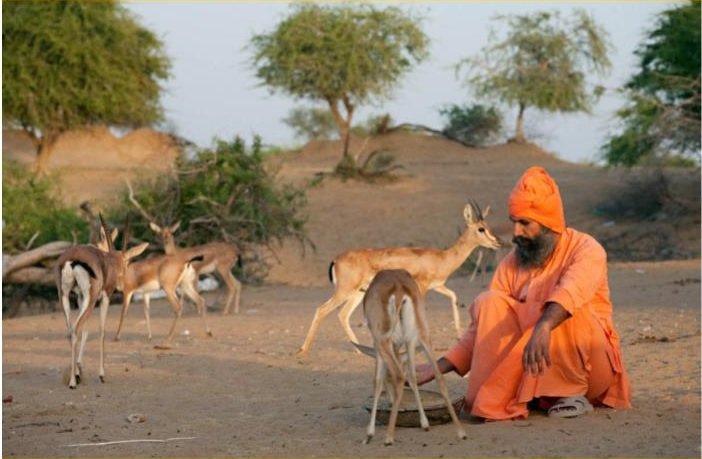
Because Bishnois treat animals like family, wild Blackbuck antelopes, Chinkaras, and peacocks wander freely inside village courtyards near Guda Bishnoi Lake without any fear of human poaching.
3. Micro-Life Protection (Rule 8 & 28)
From filtering drinking water/milk to avoiding indigo blue clothing to save plants and tiny insects, the 29 principles reflect an extraordinary level of reverence for microscopic desert life.
See The 29 Principles Alive On A Bishnoi Village Safari
Reading about the 29 Niyam is inspiring, but witnessing them practiced in daily life is unforgettable. On an open 4x4 Jeep safari with native host Bhagirath Bishnoi, you will experience these principles firsthand:
• Free-roaming Blackbucks drinking water from village troughs (*Khels*).
• Traditional mud huts (*Jhopdas*) built in harmony with desert earth.
• Home-cooked 100% organic vegetarian *chulha* meals served with genuine warmth.
Frequently Asked Questions About The 29 Principles
Have specific questions regarding Guru Jambheshwar Ji’s rules or Bishnoi village customs? Here are answers directly from native host Bhagirath Bishnoi.
The 29 principles were formulated in 1485 AD at Samrathal Dhora by Guru Jambheshwar Ji (Guru Jambho Ji) following a severe 10-year drought in the Thar Desert to guide human survival and nature conservation.
Rule 19 forbids felling green trees because trees prevent Thar desert soil erosion, generate oxygen, provide shade, and nourish wild animals. In 1730 AD, 363 Bishnois sacrificed their lives to defend green Khejri trees.
Historically, producing natural blue dye required harvesting vast quantities of indigo plants and boiling water, which destroyed plant life and killed micro-insects. Hence, blue dye was forbidden to protect living organisms.
Yes! 100% of the Bishnoi community adheres strictly to pure vegetarianism. Rules 18, 21, 24, 25, 26, and 27 forbid meat, alcohol, tobacco, opium, and non-vegetarian food.
By reserving a private safari with local host Bhagirath Bishnoi, you visit Guda Bishnoiyan, see free-roaming Blackbucks coexisting near host mud homes, interact with weaver and potter families, and enjoy organic chulha tea/food.
Experience Living Eco-Traditions On A Bishnoi Village Safari
Book your private open 4x4 Jeep safari directly with native villager Bhagirath Bishnoi. Enjoy free doorstep hotel pickup across Jodhpur, unfenced Blackbuck wildlife spotting, and genuine village hospitality!